•
Problem
Palm oil companies that are members of the Roundtable on Sustainable Palm Oil are required to fulfill compensation liability for land clearing conducted without prior HCV Assessment after November 2005 or HCV-HCSA Assessment after November 2018. The submission of a compensation liability plan is a key determinant for RSPO certification once other Principles and Criteria elements have been fulfilled.
The challenge is complex—not only because there are four program criteria that must be met, but also because the available options to fulfill compensation liability are limited and subject to preferences. The highest priority is given to offset conservation programs (i.e., conservation conducted outside the company’s concession area). In contrast, in-situ conservation programs (within the concession area) are ranked lowest among the four program types.
Despite this, in-situ conservation programs offer distinct advantages:
Land rights and permits are already clearly defined
Implementation and area security can be more effectively managed
Stakeholders are clearly identifiable, enabling targeted engagement
Significant conservation benefits can be achieved with proper planning
In 2024, PT Safari Riau (SR) engaged Ecotrop to explore the feasibility of proposing part of its concession area as an in-situ conservation program to fulfill its compensation liability. From this initial consultation, SR and Ecotrop agreed to undertake a series of activities:
Feasibility Study
Compensation Concept Note
Compensation Plan
Solution
1. Feasibility Study
The feasibility study aimed to:
Assess the suitability of the proposed area for conservation
Design a program aligned with RSPO’s four conservation criteria
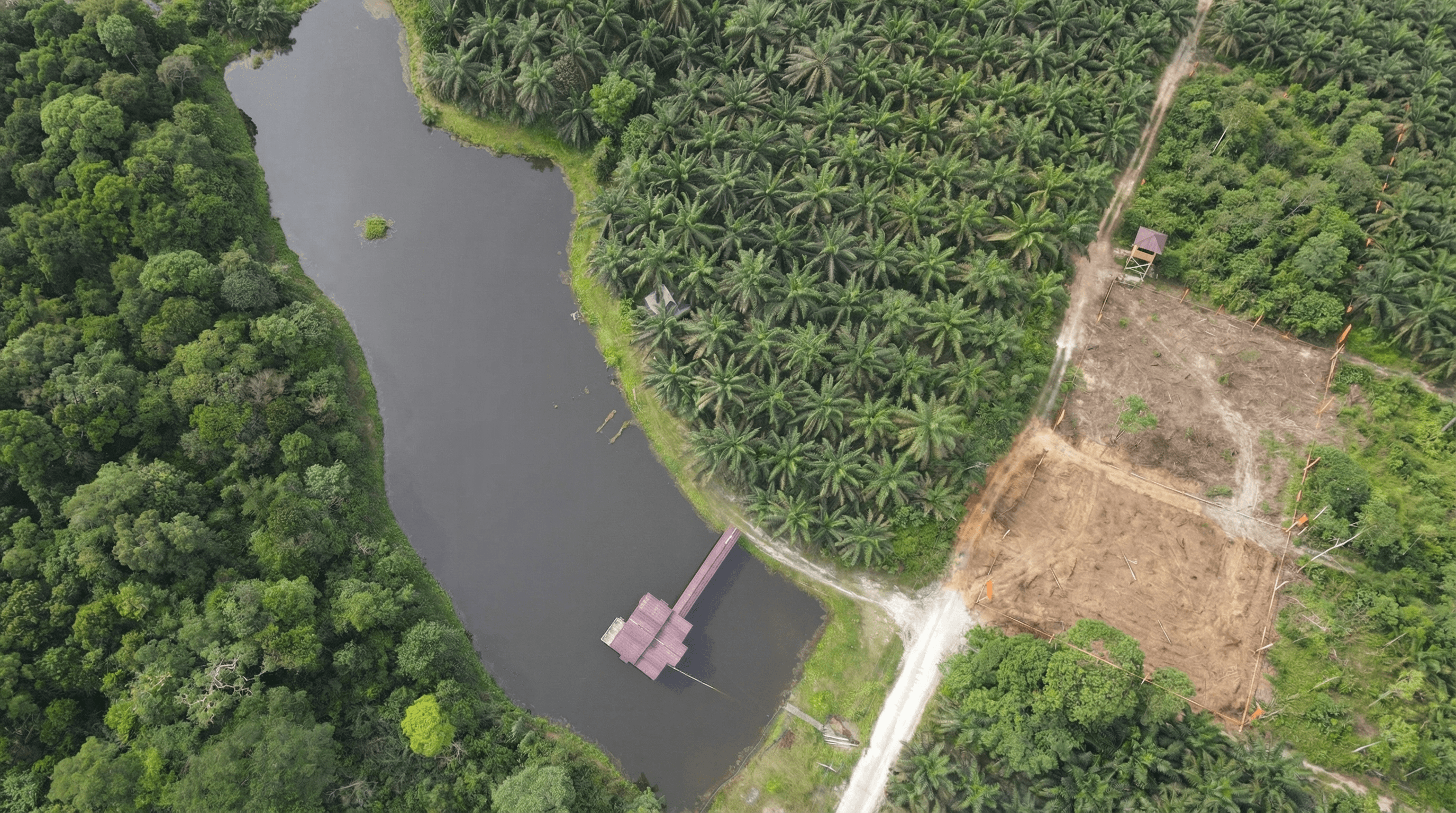
The study found that the proposed area lies at the outer edge of a riparian habitat connected to the Nilo River, which plays an important role as:
A riparian ecosystem
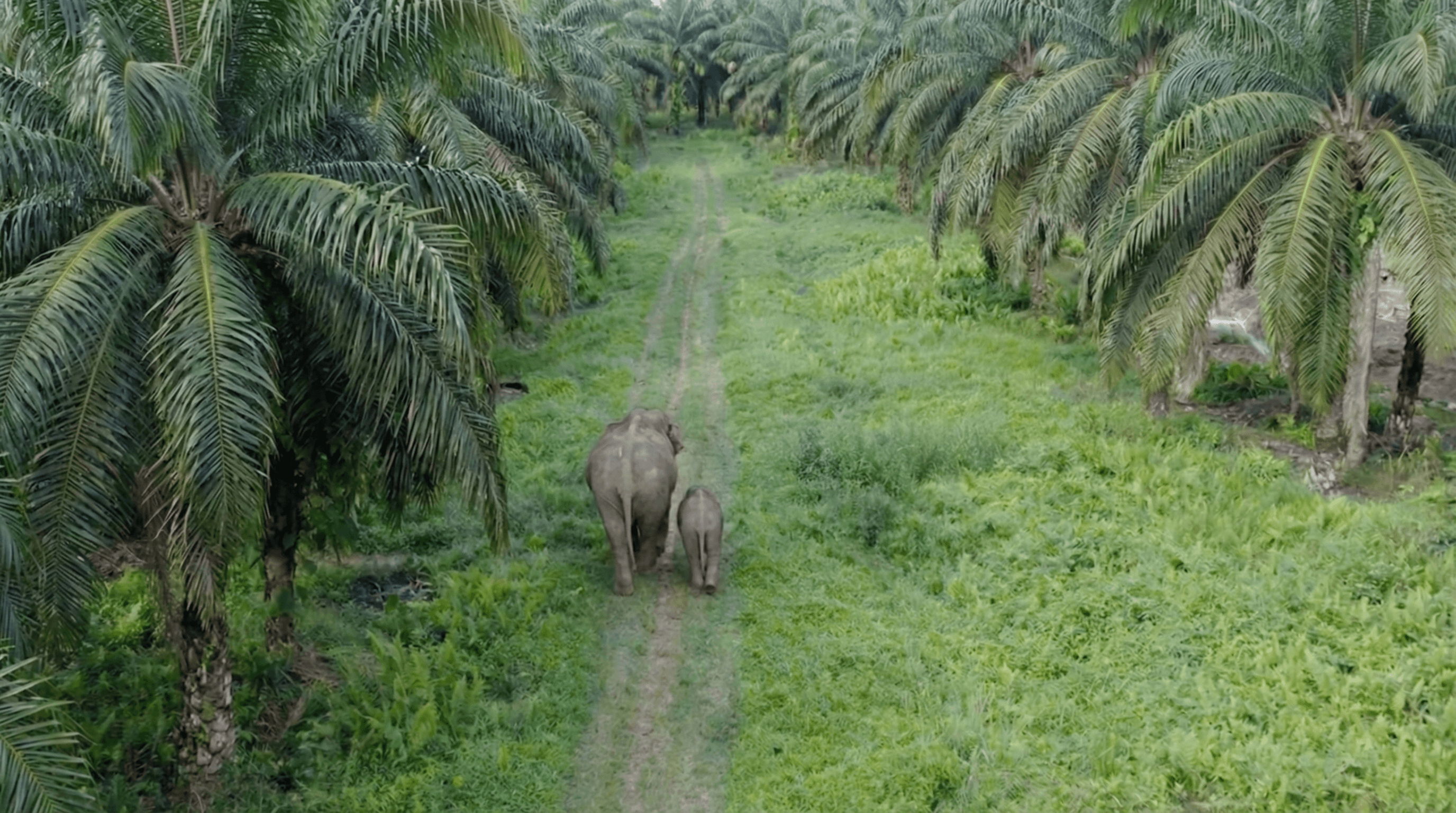
A corridor linking at least two habitats of the Sumatran elephant in Riau
Although the habitat is relatively well-preserved due to river buffer protection, it is surrounded by active concession areas. The proposed area has strong potential to serve as an additional buffer zone, enhancing the overall ecological function.
Following discussions, SR’s management agreed to proceed with developing a conservation proposal within its concession area.
2. Concept Note
The concept note serves as a concise proposal submitted to RSPO outlining the conservation program.
It is a critical document because:
It determines whether RSPO will approve the proposed program
It becomes part of the audit process for initial certification
Ecotrop developed the concept note based on feasibility study findings and additional analysis. The document demonstrated:
Greater conservation value compared to offset alternatives
Compliance with RSPO’s four criteria:
Additionality
Long-lasting
Equitable
Knowledge-based
After approximately 4 months of correspondence and clarifications, RSPO approved the in-situ conservation concept note.
3. Compensation Plan
The compensation plan details:
Program implementation
Timeline
Budget
Exit strategy
It is a critical document that must be approved by RSPO before implementation begins and will also be evaluated during certification.
Ecotrop supported SR in preparing a comprehensive and objective compensation plan, ensuring:
Credibility of the conservation program
Alignment with SR’s operational capacity
Result
SR now has an RSPO-approved in-situ conservation program plan to fulfill its compensation liability.
Key outcomes:
Concept note approved by RSPO
Eligible to proceed with initial RSPO certification audit
Compensation plan submitted and under review
Program implementation expected within 1–2 years
The implementation of this in-situ conservation program is expected to deliver significant conservation benefits based on comprehensive studies. Additionally, its in-situ nature will enhance operational efficiency, security, and effectiveness in execution.