•
Problem
In 2022, Mott MacDonald (MM) Singapore, an international consulting firm, conducted an Environmental and Social Impact Assessment (ESIA) as part of the requirements to comply with International Finance Corporation (IFC) Standards for a planned Hydroelectric Power Project (HPP) in Aceh Province. These standards are applied to ensure project eligibility for financing from major institutions under the World Bank Group.
Within the ESIA process, MM required a biodiversity baseline study and management plan to complement their assessment. The challenge was particularly complex due to two factors:
The project site is a habitat for the Sumatran orangutan and other species that trigger critical habitat classification
The need for an additional Environmental Flow (E-Flow) Assessment as a requirement for hydropower projects
To meet these requirements, MM needed local experts with relevant qualifications, field experience in the project area, and a strong understanding of IFC Performance Standards and reporting formats.
After a qualification review and methodology discussions, MM appointed Ecotrop as a subcontractor to carry out the required studies, including:
Land cover and habitat mapping
Biodiversity baseline study and management plan
Critical habitat assessment
Primate survey
E-Flow assessment
Ecotrop proposed two field visit schedules, integrating multiple studies within each visit to optimize time and cost efficiency.
Solution
1. Land Cover and Habitat Mapping
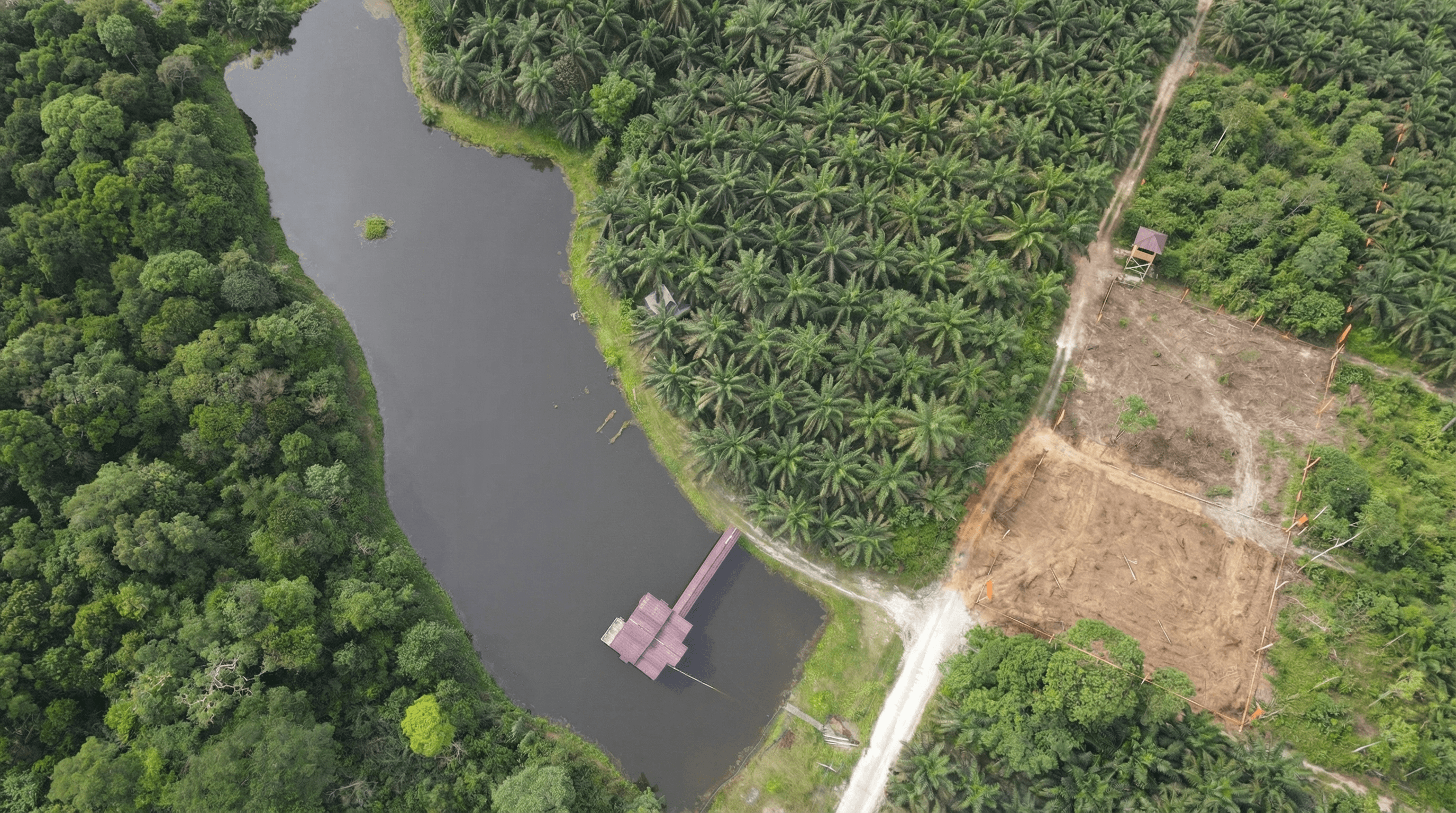
This study was conducted during the first field visit, alongside the E-Flow assessment survey. It aimed to provide contextual information about the project site, affected areas, and types of land cover and habitats present.
The outputs also served as key inputs for subsequent studies (biodiversity baseline, critical habitat assessment, and primate survey), enabling more effective execution.
2. E-Flow Assessment
The Environmental Flow (E-Flow) assessment aimed to determine water utilization levels that ensure efficient electricity generation while maintaining minimum river flow to sustain ecosystems and biodiversity.
Data collected included:
Mapping of main rivers and tributaries
River discharge sampling
Meso-habitat mapping
These data also supported habitat classification in later studies.
3. Biodiversity Baseline Study
This study aimed to establish baseline biodiversity conditions prior to project development and operations.
It covered multiple taxa:
Mammals
Birds
Reptiles and amphibians
Plants
The data collection and analysis produced quantitative parameters to support the development of management and monitoring plans. This study was conducted during the second field visit, alongside the primate survey and critical habitat assessment.
4. Primate Survey
The primate survey was conducted to meet additional IFC PS6 requirements. Since the project area falls within the distribution range of great primates, population surveys were required.
Ecotrop conducted surveys for:
Sumatran orangutan
Siamang
Lar gibbon
5. Critical Habitat Assessment
This assessment aimed to identify areas that serve as habitats for species of conservation concern within the project’s impact area.
The outputs included:
Spatial mapping of critical habitats
List of species triggering critical habitat designation
Recommended approaches for management and monitoring planning
6. Biodiversity Management Plan
The biodiversity management plan outlines strategies for managing and monitoring biodiversity impacts.
It applies the mitigation hierarchy:
Avoidance
Minimization
Restoration/Rehabilitation
Offset/Compensation
Result
Through collaboration with Ecotrop, MM received comprehensive support in conducting biodiversity baseline studies with an efficient and integrated approach.
The availability of the biodiversity baseline study and management plan strengthened the overall ESIA for the planned hydropower project in Aceh.
Completion of the ESIA is a key requirement under IFC Standards and opens opportunities for financing from institutions within the World Bank Group for the development of the Aceh Hydroelectric Power Project.